
Bar Profit Calculator
Calculate your bar’s profit from beverage sales.
The Bar Profit Calculator is a specialized tool designed to help bar owners, managers, and bartenders determine the profitability of their drink offerings. By analyzing ingredient costs, selling prices, and sales volume, this calculator provides valuable insights into which beverages generate the most revenue and which may be underperforming.
- Bar Profit Calculator
- Profit Analysis
- What is Bar Profit Calculator?
- How to Use Bar Profit Calculator?
- Understanding Bar Profit Calculation Basics
- Key Components of Bar Profit Margins
- Essential Metrics for Alcohol Service Profitability
- Common Mistakes in Bar Profit Calculation
- Industry Standards for Alcohol Service Profits
- Pour Cost Percentage Guidelines
- Labor Cost Considerations
- Overhead Expenses Impact
- Implementing a Bar Profit Calculator System
- Software Solutions for Profit Tracking
- Manual Calculation Methods
- Integration with POS Systems
- Optimizing Alcohol Service Profitability
- Menu Engineering Strategies
- Inventory Management Techniques
- Staff Training for Profit Maximization
- Advanced Profit Analysis Tools
- Sales Data Analytics
- Customer Behavior Insights
- Seasonal Profit Fluctuations
- Frequently Asked Questions
- What is a good profit margin for a bar?
- How do you calculate bar profit?
- What is the average pour cost percentage?
- How can I increase my bar's profitability?
- What are the most profitable drinks to sell?
- How often should I review my bar's profit margins?
- What role does inventory management play in bar profits?
- How can staff training impact alcohol service profits?
What is Bar Profit Calculator?
The Bar Profit Calculator is a comprehensive tool that helps bar professionals understand their financial performance by calculating profit margins for individual drinks and overall beverage programs. This calculator takes into account the cost of ingredients, labor, overhead, and selling price to determine the true profitability of each drink served. It’s an essential resource for making informed decisions about menu pricing, inventory management, and promotional strategies.
How to Use Bar Profit Calculator?
Using the Bar Profit Calculator is straightforward and intuitive. Begin by entering the cost of each ingredient used in a drink recipe, including spirits, mixers, garnishes, and any other components. Next, input the selling price of the drink and the average number of units sold per period. The calculator will then analyze this data to determine the profit margin, cost percentage, and overall contribution to your bar’s revenue. You can use this information to identify your most profitable drinks, adjust pricing strategies, and optimize your menu for maximum profitability.
Understanding how to calculate bar profits accurately is essential for any successful alcohol service business. Many bar owners struggle with determining their true profit margins, often overlooking crucial factors that impact their bottom line. By mastering bar profit calculation, you can identify areas for improvement and maximize your revenue potential. Our comprehensive guide will walk you through the essential components and provide you with a free calculator to streamline the process.
Understanding Bar Profit Calculation Basics
Calculating bar profits involves several interconnected factors that go beyond simple revenue minus costs. The foundation of accurate profit calculation starts with tracking every dollar that flows through your establishment, from the initial purchase of inventory to the final sale to customers. Understanding these basics helps you make informed decisions about pricing, inventory management, and operational efficiency.
The primary formula for bar profit calculation involves subtracting your total costs from your total revenue. However, this basic equation becomes more complex when you factor in different types of costs, including direct costs like alcohol purchases, indirect costs like utilities, and fixed costs like rent. Successful bar owners track these expenses meticulously to ensure they’re capturing the complete financial picture of their operation.
Key Components of Bar Profit Margins
Several critical components determine your bar’s profit margins, each playing a vital role in your overall financial success. The most significant factor is your pour cost, which represents the percentage of each drink’s sale price that goes toward purchasing the alcohol. Industry standards typically suggest maintaining pour costs between 18-24%, though this can vary based on your specific business model and target market.
Beyond pour costs, your profit margins are influenced by pricing strategy, menu engineering, and customer behavior patterns. Premium spirits command higher prices but may have different cost structures compared to well drinks. Understanding how each component contributes to your margins allows you to make strategic decisions about menu offerings, pricing adjustments, and promotional activities that can boost profitability.
Essential Metrics for Alcohol Service Profitability
Tracking the right metrics is crucial for maintaining healthy alcohol service profitability. Key performance indicators include average check size, table turnover rate, and beverage cost percentage. These metrics provide insights into customer spending habits and operational efficiency, helping you identify areas where you can increase revenue or reduce costs.
Another essential metric is the revenue per available seat hour, which measures how effectively you’re utilizing your space and staff. This metric becomes particularly important during peak hours and special events. Additionally, tracking your top-selling items and their respective profit margins helps you optimize your menu for maximum profitability while maintaining customer satisfaction.
Common Mistakes in Bar Profit Calculation
Many bar owners make critical errors when calculating their profits, leading to inaccurate financial assessments and poor business decisions. One common mistake is failing to account for all costs associated with serving alcohol, including garnishes, mixers, and glassware that wear out over time. These seemingly small expenses can significantly impact your profit margins when overlooked.
Another frequent error is using incorrect inventory counts or failing to conduct regular inventory audits. Without accurate inventory tracking, you cannot determine your true pour costs or identify potential theft or waste issues. Additionally, many establishments fail to factor in seasonal fluctuations in sales and costs, leading to unrealistic profit expectations during slower periods.
Industry Standards for Alcohol Service Profits
Understanding industry standards helps you benchmark your performance against successful establishments and identify areas for improvement. The alcohol service industry typically expects profit margins between 10-15% for full-service bars, though this can vary significantly based on location, concept, and target market. Fine dining establishments often achieve higher margins, while casual bars may operate on tighter profit margins.
Successful bars also maintain specific standards for different types of alcohol service. For instance, wine programs typically aim for 70% gross profit margins, while beer and spirits may target slightly lower margins. These standards provide a framework for setting realistic goals and evaluating your business performance against industry benchmarks.
Pour Cost Percentage Guidelines
Pour cost percentage is one of the most critical metrics in bar profitability, representing the ratio of alcohol costs to alcohol sales. Industry guidelines suggest maintaining pour costs between 18-24% for spirits, 20-25% for wine, and 15-20% for beer. These percentages ensure you’re pricing your drinks appropriately while maintaining healthy profit margins.
However, these guidelines aren’t universal and should be adjusted based on your specific business model. Premium establishments may accept higher pour costs due to their focus on quality and experience, while high-volume bars might aim for lower pour costs to maintain competitive pricing. Regular monitoring and adjustment of your pour costs help ensure you’re meeting your profitability goals.
Labor Cost Considerations
Labor costs represent one of the largest expenses in bar operations, typically accounting for 20-35% of total revenue. Effective labor cost management involves scheduling the right number of staff for each shift, cross-training employees to handle multiple roles, and implementing efficient service procedures. Understanding how labor costs impact your overall profitability is crucial for making informed staffing decisions.
Beyond direct wages, labor costs include payroll taxes, benefits, and training expenses. Successful bar owners develop staffing models that balance excellent customer service with cost efficiency. This might involve using technology to streamline ordering and payment processes, implementing incentive programs to boost productivity, or adjusting service models during different times of day.
Overhead Expenses Impact
Overhead expenses can significantly impact your bar’s profitability if not properly managed and accounted for in your profit calculations. These fixed costs include rent or mortgage payments, utilities, insurance, licenses, and equipment maintenance. Understanding how these expenses affect your bottom line helps you make strategic decisions about location, operating hours, and capital investments.
Effective overhead management involves regular review and optimization of these expenses. This might include negotiating better rates with suppliers, implementing energy-efficient practices to reduce utility costs, or exploring shared service arrangements with other businesses. By carefully managing overhead expenses, you can improve your profit margins without compromising the quality of your alcohol service.
Implementing a Bar Profit Calculator System
Implementing a bar profit calculator system requires careful planning and execution to ensure accurate financial tracking. The first step involves selecting the right tools and software that align with your establishment’s specific needs and operational scale. Many modern POS systems come with built-in profit tracking features, but standalone solutions can offer more customization and detailed analytics. It’s crucial to choose a system that can integrate seamlessly with your existing inventory management and accounting software to create a unified financial ecosystem.
Once the appropriate software is selected, the next phase involves data input and system calibration. This process includes entering initial inventory values, supplier pricing, and recipe costs for each drink on your menu. Accuracy at this stage is paramount, as any discrepancies will compound over time and lead to unreliable profit calculations. Staff training becomes essential here, as bartenders and managers need to understand how to input data correctly and interpret the results generated by the system.
Regular maintenance and updates are vital to keep the profit calculator system functioning optimally. This includes periodic audits of inventory levels, price adjustments for supplier changes, and menu updates to reflect new offerings or discontinued items. Additionally, establishing a routine for reviewing profit reports can help identify trends, seasonal variations, and areas for improvement in your alcohol service operations.
Software Solutions for Profit Tracking
Several software solutions are available for bars and restaurants looking to track their alcohol service profits effectively. Bevager is a popular choice that offers comprehensive inventory management and recipe costing features. It allows users to track pour costs, set par levels, and generate detailed reports on individual product performance. Another robust option is Bar-i, which specializes in liquor inventory control and provides real-time data on stock levels and usage patterns.
For establishments seeking a more all-in-one solution, platforms like Toast and Lightspeed offer integrated POS systems with built-in profit tracking capabilities. These systems not only handle sales transactions but also provide insights into menu performance, labor costs, and overall profitability. They often include features like automated inventory tracking and customizable reporting dashboards, making it easier for managers to monitor their alcohol service margins.
Cloud-based solutions like BinWise offer the advantage of accessibility from anywhere, allowing owners and managers to check profit metrics on the go. These systems typically integrate with multiple POS platforms and provide advanced analytics tools for in-depth profit analysis. When selecting a software solution, it’s important to consider factors such as scalability, ease of use, and the level of customer support provided by the vendor.
Manual Calculation Methods
While software solutions offer convenience and automation, some establishments may prefer or require manual calculation methods for tracking bar profits. This approach involves using spreadsheets to record inventory purchases, sales data, and recipe costs. A basic Excel or Google Sheets template can be created to calculate pour costs, track inventory usage, and estimate profit margins for each drink on the menu.
To implement manual calculations, start by creating a master inventory sheet that lists all alcohol products, their purchase prices, and bottle sizes. Then, develop a separate sheet for each menu item that breaks down the ingredients and their respective costs. By tracking the number of drinks sold and the amount of inventory used, you can calculate the cost of goods sold (COGS) and determine the profit margin for each beverage.
Although manual methods require more time and effort, they can be cost-effective for smaller establishments or those with limited budgets for software solutions. However, it’s important to note that manual calculations are more prone to human error and may not provide real-time data. Regular physical inventory counts and meticulous record-keeping are essential to maintain accuracy in manual profit tracking systems.
Integration with POS Systems
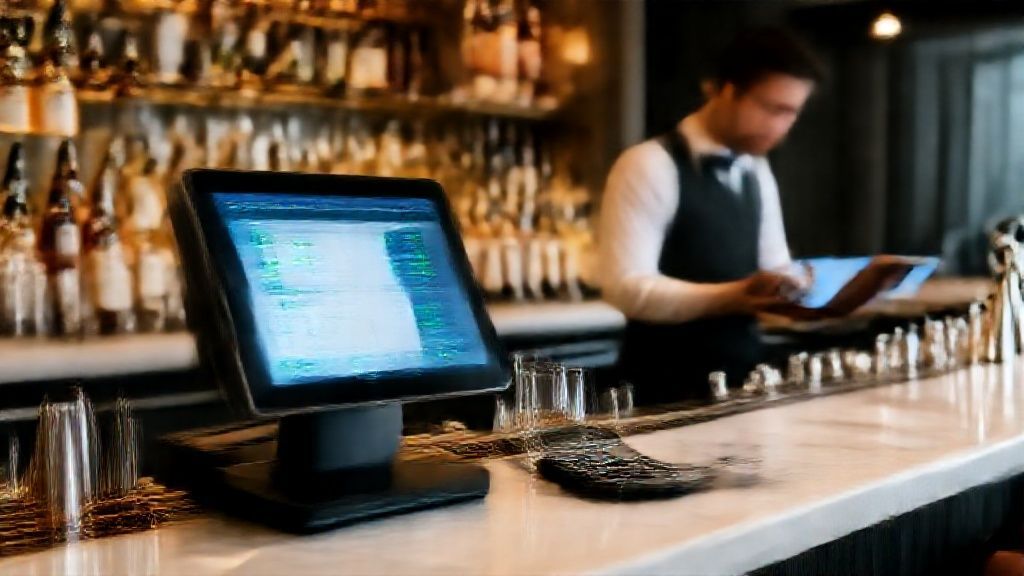
Integrating your bar profit calculator with your POS system can significantly streamline your financial tracking processes and provide more accurate, real-time data. Most modern POS systems offer APIs or built-in integrations with popular profit tracking and inventory management software. This integration allows for automatic data transfer between systems, eliminating the need for manual data entry and reducing the risk of errors.
When integrating your POS with a profit calculator, you can expect to see benefits such as automatic updates of sales data, real-time inventory tracking based on drink orders, and more accurate pour cost calculations. Some advanced integrations can even provide insights into individual bartender performance, helping to identify training needs or potential issues with overpouring or theft.
To set up integration, you’ll typically need to work with both your POS provider and the profit tracking software vendor. They can guide you through the process of connecting the systems and configuring the data flow. It’s important to thoroughly test the integration before fully implementing it to ensure that all data is being transferred correctly and that the profit calculations are accurate.
Optimizing Alcohol Service Profitability
Optimizing alcohol service profitability involves a multifaceted approach that combines strategic pricing, efficient operations, and data-driven decision making. One of the most effective strategies is menu engineering, which involves analyzing the profitability and popularity of each drink to optimize your offerings. By categorizing drinks into stars (high profit, high popularity), puzzles (high profit, low popularity), plowhorses (low profit, high popularity), and dogs (low profit, low popularity), you can make informed decisions about pricing, promotion, and potentially removing underperforming items.
Another crucial aspect of optimization is controlling pour costs. This involves training staff on proper pouring techniques, using measured pourers or jiggers to ensure consistency, and regularly auditing inventory to identify any discrepancies. Implementing a standardized recipe book for all cocktails can help maintain consistency and control costs across different shifts and bartenders.
Pricing strategies also play a significant role in optimizing profitability. Consider implementing dynamic pricing based on demand, time of day, or special events. For example, offering premium cocktails at a higher price point during peak hours or creating special promotions for slower periods can help maximize revenue. Additionally, regularly reviewing and adjusting prices based on changes in supplier costs and market trends can ensure that your profit margins remain healthy.
Menu Engineering Strategies
Menu engineering is a powerful tool for maximizing alcohol service profitability by strategically designing your drink menu to highlight high-margin items and encourage customer purchases. Start by categorizing your drinks based on their contribution margin (profit per drink) and popularity. This analysis will help you identify which items are driving profits and which may need to be repositioned or removed from the menu.
Once you have this data, consider the layout and design of your physical menu. Place high-margin items in the “sweet spots” of the menu – typically the upper right corner or the first and last positions in a list. Use visual cues like boxes, icons, or different font sizes to draw attention to profitable items. You can also create signature cocktails or premium offerings that have higher price points and profit margins, positioning them prominently on the menu.
Another effective strategy is to use descriptive language and storytelling to enhance the perceived value of your drinks. Instead of simply listing ingredients, craft compelling descriptions that highlight unique flavors, premium spirits, or the inspiration behind the cocktail. This can justify higher prices and increase the likelihood of customers choosing higher-margin options. Regularly updating your menu with seasonal offerings or limited-time specials can also create a sense of urgency and encourage customers to try new, potentially more profitable items.
Inventory Management Techniques
Effective inventory management is crucial for maintaining healthy profit margins in alcohol service. Implementing a first-in, first-out (FIFO) system ensures that older stock is used before newer deliveries, reducing the risk of spoilage or obsolescence. Regular physical inventory counts, ideally conducted weekly or bi-weekly, can help identify discrepancies between recorded and actual stock levels, potentially uncovering issues with theft, overpouring, or data entry errors.
Utilizing par levels for each product can streamline the ordering process and prevent overstocking or stockouts. Par levels represent the minimum quantity of each item that should be on hand at all times. When inventory falls below these levels, it triggers a reorder. This approach not only ensures that you always have popular items in stock but also helps manage cash flow by avoiding excess inventory.
Technology can greatly enhance inventory management efficiency. Barcode scanning systems or RFID tags can automate the tracking process, reducing human error and saving time on manual counts. Some advanced systems can even integrate with your POS to automatically update inventory levels as drinks are sold. Additionally, analyzing usage patterns and sales data can help forecast demand more accurately, allowing for more precise ordering and inventory control.
Staff Training for Profit Maximization
Comprehensive staff training is essential for maximizing alcohol service profitability, as employees play a crucial role in controlling costs and driving sales. Start by educating your team on the importance of pour cost control and how it directly impacts the business’s bottom line. Teach proper pouring techniques using jiggers or measured pourers to ensure consistency and prevent overpouring. Regular pour tests can help maintain accuracy and identify any staff members who may need additional training.
Training should also focus on upselling techniques and product knowledge. Encourage bartenders to suggest premium spirits or upgrades when taking orders, as these higher-margin items can significantly boost profitability. Ensure that all staff members are familiar with the entire drink menu, including ingredients, flavor profiles, and recommended pairings. This knowledge allows them to make informed recommendations to customers and potentially increase average ticket sizes.
Implement a system for tracking individual bartender performance, including metrics such as average check size, upsell success rate, and adherence to pour standards. Use this data to provide constructive feedback and recognize top performers. Consider implementing incentive programs that reward staff for achieving profitability goals or consistently maintaining low pour costs. This can create a culture of ownership and accountability, where employees are motivated to contribute to the establishment’s financial success.
Advanced Profit Analysis Tools
Advanced profit analysis tools go beyond basic calculations to provide deeper insights into your alcohol service operations and identify opportunities for improvement. These tools often incorporate machine learning algorithms and predictive analytics to forecast demand, optimize pricing, and identify trends that may not be apparent through manual analysis. One such tool is Glimpse Analytics, which uses computer vision technology to analyze customer behavior and provide insights on drink popularity, peak hours, and even staff performance.
Another powerful tool is Avero, a restaurant management software that offers advanced analytics for menu engineering and labor optimization. It can analyze sales data to identify your most profitable menu items, optimal pricing strategies, and even suggest menu changes based on seasonal trends and customer preferences. These insights can help you make data-driven decisions to maximize profitability and improve overall operational efficiency.
For establishments with multiple locations, tools like Ctuit offer enterprise-level analytics that can compare performance across different venues. This allows for benchmarking and the identification of best practices that can be implemented across the entire operation. These advanced tools often integrate with various data sources, including POS systems, inventory management software, and even weather data, to provide a comprehensive view of factors influencing profitability.
Sales Data Analytics
Sales data analytics involves the systematic examination of your alcohol sales data to uncover patterns, trends, and insights that can drive profitability. By analyzing transaction-level data, you can identify your best-selling items, peak sales periods, and customer preferences. This information can be used to optimize your menu, adjust pricing strategies, and plan promotional activities more effectively.
Advanced analytics tools can segment your sales data in various ways, such as by time of day, day of the week, or even weather conditions. This granular analysis can reveal opportunities for targeted promotions or menu adjustments. For example, you might discover that certain cocktails sell particularly well on hot summer days, prompting you to create a seasonal menu or run weather-based promotions.
Predictive analytics takes sales data analysis a step further by using historical data to forecast future trends. These tools can predict demand for specific items, allowing you to optimize inventory levels and reduce waste. They can also forecast revenue for different time periods, helping with staffing decisions and cash flow management. By leveraging these insights, you can make proactive decisions to maximize profitability and improve overall operational efficiency.
Customer Behavior Insights
Understanding customer behavior is crucial for optimizing alcohol service profitability, as it allows you to tailor your offerings and marketing strategies to meet customer preferences and maximize sales. Advanced analytics tools can provide insights into customer demographics, purchasing patterns, and even sentiment analysis based on social media mentions or review data. This information can help you create targeted marketing campaigns, develop new menu items, and improve the overall customer experience.
One effective way to gather customer behavior data is through loyalty programs or mobile apps. These platforms can track individual customer preferences, visit frequency, and average spend, allowing you to create personalized offers and recommendations. For example, if data shows that a particular customer frequently orders a specific type of whiskey, you could send them a personalized offer for a new whiskey-based cocktail or invite them to a tasting event featuring premium whiskeys.
Heat mapping technology can provide visual insights into customer behavior within your establishment. By analyzing where customers tend to congregate, how long they stay in different areas, and their movement patterns, you can optimize your layout to encourage longer stays and increased spending. This might involve rearranging seating to create more social spaces or strategically placing high-margin items in areas with high customer traffic.
Seasonal Profit Fluctuations
Seasonal fluctuations can have a significant impact on alcohol service profitability, with demand often varying based on factors such as weather, holidays, and local events. Analyzing historical sales data can help you identify these patterns and prepare accordingly. For example, you might notice increased demand for certain cocktails during summer months or higher overall sales during the holiday season.
To mitigate the impact of seasonal fluctuations, consider developing a flexible menu that can be easily adjusted based on seasonal trends. This might involve creating a rotating selection of seasonal cocktails that feature ingredients popular during specific times of the year. You could also implement dynamic pricing strategies that adjust based on demand, such as offering happy hour specials during traditionally slower periods or premium pricing for high-demand items during peak seasons.
Marketing and promotional activities can also be tailored to address seasonal fluctuations. For slower periods, consider hosting special events, offering limited-time promotions, or partnering with local businesses to create package deals. During peak seasons, focus on maximizing revenue through upselling techniques and promoting high-margin items. By anticipating and planning for seasonal changes, you can maintain more consistent profitability throughout the year and avoid the financial stress of unexpected demand fluctuations.
Frequently Asked Questions
What is a good profit margin for a bar?
A good profit margin for a bar typically ranges between 70-80% on alcoholic beverages. This means that for every dollar spent on inventory, you should aim to make 70-80 cents in profit. However, this can vary depending on factors such as location, type of establishment, and pricing strategy.
How do you calculate bar profit?
To calculate bar profit, subtract the cost of goods sold (COGS) from your total revenue. Then, divide this number by your total revenue and multiply by 100 to get the profit margin percentage. For example, if your revenue is $10,000 and COGS is $2,500, your profit would be $7,500, resulting in a 75% profit margin.
What is the average pour cost percentage?
The average pour cost percentage for a bar is typically between 18-24%. This means that for every dollar of revenue, the cost of the alcohol used should be 18-24 cents. Different types of alcohol may have varying pour costs, with spirits generally having lower pour costs than beer or wine.
How can I increase my bar’s profitability?
To increase your bar’s profitability, consider implementing strategies such as optimizing your menu pricing, reducing waste and theft, improving inventory management, offering high-margin specialty drinks, and upselling to customers. Additionally, focus on creating a unique atmosphere and providing excellent customer service to encourage repeat business and positive word-of-mouth.
What are the most profitable drinks to sell?
Generally, spirits and cocktails tend to have the highest profit margins for bars. Premium liquors, craft cocktails, and signature drinks can offer even better margins. Non-alcoholic beverages and food items can also contribute significantly to overall profitability, especially if they have low ingredient costs and high perceived value.
How often should I review my bar’s profit margins?
It’s recommended to review your bar’s profit margins at least monthly, if not more frequently. Regular analysis allows you to identify trends, spot potential issues early, and make timely adjustments to your pricing or operations. Some bar owners prefer to review key metrics weekly to stay on top of their business performance.
What role does inventory management play in bar profits?
Effective inventory management is crucial for maximizing bar profits. It helps prevent overstocking, reduces waste, minimizes theft, and ensures you always have popular items in stock. Proper inventory tracking can also help you identify slow-moving items and adjust your ordering accordingly, ultimately improving your cash flow and profit margins.
How can staff training impact alcohol service profits?
Comprehensive staff training can significantly impact alcohol service profits by reducing overpouring, improving customer service, and increasing sales through upselling and suggestive selling techniques. Well-trained staff are also more likely to follow proper inventory procedures and maintain consistent drink quality, which can lead to higher customer satisfaction and repeat business.