Artificial Turf Cost Calculator
Artificial Turf Cost Calculator is an essential planning tool for homeowners and landscapers seeking accurate budget estimates for synthetic grass installations. This digital solution simplifies the process of calculating artificial turf installation costs by factoring in project size, material quality, labor fees, and optional add-ons to deliver instant price projections.
What is the Artificial Turf Cost Calculator?
The Artificial Turf Cost Calculator is a specialized tool designed to estimate total expenses for synthetic grass projects. By analyzing key variables like:
- Project area (square footage)
- Turf quality tier (economy, premium, luxury)
- Infill material requirements
- Base preparation complexity
- Labor costs in your region
This calculator provides itemized cost breakdowns, helping users compare synthetic grass cost per sq ft against traditional lawn maintenance expenses.
- Artificial Turf Cost Calculator
- What is the Artificial Turf Cost Calculator?
- How to Use the Artificial Turf Cost Calculator
- Understanding Artificial Turf Cost Calculators
- Benefits of Using a Turf Calculator
- Key Factors Affecting Synthetic Grass Costs
- Artificial Turf vs Natural Grass Cost Analysis
- How Installation Impacts Total Turf Expenses
- Budgeting Tips Using Turf Cost Estimators
- Hidden Cost Considerations for Turf Projects
- Drainage System Requirements
- Subsurface Preparation Expenses
- DIY vs Professional Installation Costs
- Long-Term Maintenance Cost Calculations
- Frequently Asked Questions
- How does an artificial turf cost calculator work?
- What's the average cost per sq ft for synthetic grass?
- Can I install artificial turf myself to save money?
- What hidden costs should I budget for with turf?
- How long does artificial turf last before replacement?
- Does turf maintenance affect overall installation costs?
How to Use the Artificial Turf Cost Calculator
- Measure Your Space
Calculate your installation area in square feet or meters - Input Project Details
Enter dimensions and select your preferred turf quality grade - Customize Options
Add drainage systems, specialty infills, or contouring requirements - Review Estimate
Receive instant calculations showing:- Material costs per square foot
- Labor estimates
- Total project investment
The calculator automatically updates pricing as you adjust parameters, making it easy to compare different artificial turf installation cost scenarios before contacting contractors.
Planning an artificial turf project starts with understanding your potential expenses. Using an Artificial Turf Cost Calculator helps homeowners and businesses estimate total investment based on specific project details. These tools consider material prices per square foot, labor rates, site preparation needs, and additional features like infill or drainage systems. By inputting your lawn dimensions and preferences, you get a clearer picture of upfront costs versus long term savings compared to natural grass. This approach removes guesswork from budgeting and highlights how factors like turf quality or complex installations impact your final price.
Understanding Artificial Turf Cost Calculators
An artificial turf cost calculator is a digital tool that breaks down installation expenses into measurable components. It starts with your project area measured in square feet. The calculator multiplies this by material costs, which vary based on turf blade height, density, and durability ratings. Higher quality synthetic grass costs more per square foot but lasts longer under heavy use.
Labor estimates get calculated separately. Professional installation typically ranges from $5 to $20 per square foot depending on regional rates and job complexity. Steep slopes or irregular shapes increase labor time. The calculator might ask about existing ground conditions. Removing natural grass or leveling uneven terrain adds preparatory work costs.
Additional variables often include
- Infill material choices (rubber, sand, or organic options)
- Drainage system requirements
- Edging and securing materials
- Warranty coverage tiers
Some advanced calculators factor in geographic pricing differences. Urban areas often have higher labor rates than rural locations. Seasonal demand fluctuations also affect pricing. Summer installations might cost more due to peak contractor schedules.
Benefits of Using a Turf Calculator
Artificial turf calculators prevent budget surprises by revealing hidden expenses early. You see how each choice affects total costs immediately. For example, selecting premium turf with antimicrobial treatment increases material costs but reduces long term maintenance.
These tools help compare different project scenarios efficiently. You can toggle between
- Basic versus luxury turf grades
- DIY versus professional installation
- Different infill types and depths
Time savings represent another major advantage. Manual calculations require researching local material prices and labor rates. The calculator pulls updated averages from industry databases. This gives reliable estimates within minutes instead of hours.
Financial planning improves through visual cost breakdowns. Many calculators display percentages for materials, labor, and extras. This helps prioritize where to invest or cut back. Seeing the price per square foot over different turf types makes comparisons tangible.
Key Factors Affecting Synthetic Grass Costs
Material quality creates the largest price variation in artificial turf projects. Economy grade turf costs $1.50-$2.50 per square foot but lasts 5-8 years. Premium options range from $3-$6 per square foot with 15+ year lifespans. Performance features like UV resistance and drainage layers add value.
Installation complexity alters labor expenses significantly. Simple rectangular lawns on flat ground cost less than properties with
- Multiple elevation changes
- Existing hardscape removal
- Custom cutting around pools or gardens
Geographic location influences both material and labor pricing. Coastal regions often have higher synthetic grass costs due to shipping expenses. Urban contractors charge more than rural providers. Some states offer turf rebates for water conservation, indirectly lowering net costs.
Artificial Turf vs Natural Grass Cost Analysis
Initial installation favors natural grass with lower upfront costs. Sod installation averages $1-$2 per square foot versus $5-$20 for artificial turf. This price gap narrows when considering long term expenses. Natural grass requires continuous investment in water, fertilizers, and lawn care services.
Five year cost comparisons reveal different financial outcomes. Natural grass accumulates expenses through
- Weekly mowing ($50-$150 monthly)
- Seasonal fertilization ($300-$800 yearly)
- Weed/pest control treatments ($200-$600 yearly)
- Water usage (7,000 gallons weekly for 1,000 sq ft)
Artificial turf eliminates most recurring costs after installation. Maintenance involves occasional rinsing and brushing. No watering systems or fuel for lawnmowers needed. Homeowners in drought prone areas particularly benefit from reduced water bills. These savings often offset higher initial turf costs within 3-5 years.
How Installation Impacts Total Turf Expenses
Professional installation typically accounts for 30%-50% of artificial turf costs. Labor rates vary by contractor expertise and regional demand. Experienced installers charge more but ensure proper drainage and seam placement. Poor installation causes premature wear and voided warranties.
Site preparation often surprises homeowners with added costs. Removing existing grass adds $1-$2 per square foot. Soil compaction or grading issues might require
- Excavation machinery rentals
- Additional base materials
- Drainage pipe installation
Custom features increase labor time and costs. Integrating turf with hardscapes like patios requires precise cutting. Creating realistic lawn contours needs skilled shaping of the base layer. These details enhance aesthetics but require more installer hours. Always request itemized quotes showing preparation versus installation labor costs.
Budgeting Tips Using Turf Cost Estimators
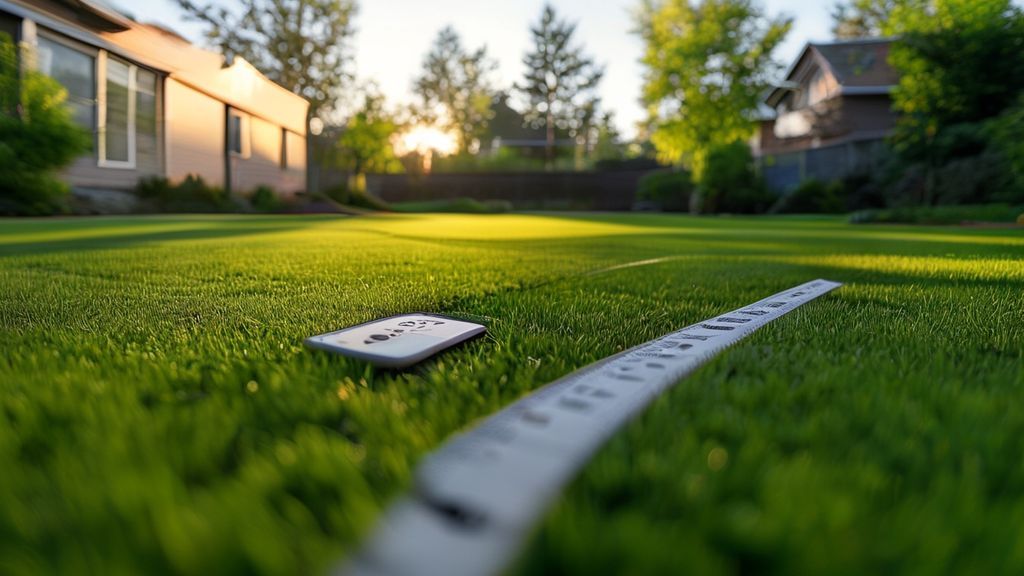
Start with multiple measurements of your project area. Turf calculators need accurate square footage. Measure irregular spaces by dividing them into geometric sections. Add 5%-10% extra for cutting waste during installation. This prevents material shortages that delay projects.
Compare different quality tiers using the calculator. Input high end and budget turf options to see cost differences. Assess whether durability improvements justify higher prices based on
- Expected foot traffic
- Pet usage
- Climate conditions
Time your installation strategically. Many contractors offer discounts during off peak seasons. Late fall or early winter installations often cost less. Avoid spring rush periods when demand surges. Use the calculator to compare seasonal pricing variations in your region.
Finally, use calculator results to negotiate with installers. Present your estimated breakdown when requesting quotes. Contractors may match or explain differences in pricing. This approach ensures transparent bidding and helps identify unnecessary charges.
Hidden Cost Considerations for Turf Projects
Artificial turf projects often have expenses that aren't obvious in initial quotes. Many homeowners focus only on the basic material and labor costs. But overlooking these hidden factors can lead to budget overruns of 15-25%.
Site accessibility plays a major role in final costs. Narrow side yards or backyards with tight gates require manual material transport. This adds labor hours compared to front yards with driveway access. Crews might charge extra for:
- Carrying materials through narrow spaces
- Disassembling fences for equipment access
- Working on steep slopes requiring safety harnesses
Waste removal is another frequently underestimated cost. Natural grass removal generates substantial organic waste that requires disposal. Local dump fees average $40-75 per cubic yard depending on your municipality. Some projects require renting a dumpster for $300-500.
Drainage System Requirements
Proper drainage is non-negotiable for artificial turf longevity. Without adequate water management, you'll face mold growth and surface pooling. Three primary drainage approaches affect costs differently:
| Drainage Type | Materials Needed | Cost Per Sq Ft |
|---|---|---|
| Perforated Base | Crushed granite with drainage holes | $0.50-$1.00 |
| Channel Drainage | Plastic channels + gravel | $1.75-$3.00 |
| French Drain System | PVC pipes + filter fabric | $4.00-$7.00 |
Slope grading significantly impacts drainage costs. Yards with natural slope need less preparation. Flat yards require creating a 1-2% slope away from structures. This grading work adds $1.50-$3.00 per sq ft depending on soil type.
Subsurface Preparation Expenses
The foundation determines your turf's performance and lifespan. Proper subsurface prep typically accounts for 25-35% of total project costs. Three critical layers must be installed:
- Weed Barrier: Heavy-duty landscape fabric ($0.15-$0.30/sq ft)
- Base Material: Decomposed granite or crushed rock ($0.80-$1.50/sq ft)
- Compaction Layer: Finer gravel for final leveling ($0.40-$0.75/sq ft)
Existing surface removal adds substantial labor costs. Removing natural grass with sod cutters costs $0.50-$1.00/sq ft. Concrete demolition under turf areas runs $2.50-$5.00/sq ft. Soil testing for compaction might add $150-300 but prevents future settling issues.
DIY vs Professional Installation Costs
The installation method dramatically changes your total investment. DIY projects appear cheaper initially but carry hidden risks. Professional installations provide warranties but increase upfront costs.
Tool rentals for DIY installations often surprise homeowners. You'll need:
- Plate compactor ($75-120/day)
- Turf cutter ($90-150/day)
- Landscape rake ($15-25/day)
- Utility knives + blades ($40-60 total)
Time investment is substantial for DIYers. A 500 sq ft yard typically requires:
- 12-16 hours for experienced installers
- 25-40 hours for first-timers
- 2-3 weekends of continuous work
Professional installation costs 40-60% more than DIY but includes:
| 5-10 year material warranties | Proper disposal of waste materials |
| Commercial-grade equipment | Certified drainage expertise |
| Liability insurance coverage | Seam joining specialization |
Mistake correction costs make DIY risky. Improper seams can unravel. Poor drainage leads to replacement. Insufficient compaction creates uneven surfaces. Fixing these errors often costs more than hiring professionals initially.
Long-Term Maintenance Cost Calculations
Artificial turf requires less maintenance than natural grass but isn't maintenance-free. Yearly upkeep typically costs $0.25-$0.50 per sq ft. These expenses accumulate over the turf's 15-20 year lifespan.
Essential maintenance includes:
- Quarterly Cleaning: Specialized cleaners remove pet odors and organic buildup ($0.10-$0.15/sq ft per cleaning)
- Annual Grooming: Power brushing restores blade upright position ($0.08-$0.12/sq ft)
- Infill Top-Ups: Silica sand or rubber granules settle over time ($0.25-$0.40/sq ft every 3-5 years)
UV degradation impacts long-term costs. Cheap turf loses color faster, requiring replacement sooner. Premium turf with UV inhibitors lasts 5-7 years longer. This stretches replacement cycles from 12 to 20 years.
Repair costs average $4-8 per sq ft for damaged sections. Common issues include:
- Seam separation from ground movement
- Burn marks from fire pits or grills
- Compacted areas from heavy furniture
- Pet damage from digging or urine pooling
Compare these costs to natural lawn maintenance. Traditional grass costs $2-4 per sq ft annually for water, mowing, fertilizing, and pest control. Artificial turf becomes cost-effective after 6-8 years despite higher initial investment.
Frequently Asked Questions
How does an artificial turf cost calculator work?
An artificial turf cost calculator estimates total expenses by factoring in your project's square footage, turf quality, and labor costs. Users input measurements, preferred materials, and installation preferences to receive a personalized budget breakdown.
What's the average cost per sq ft for synthetic grass?
Artificial turf typically costs $5-$20 per square foot installed, depending on materials and project complexity. Higher-quality grasses with advanced drainage systems or UV protection fall at the upper end of this price range.
Can I install artificial turf myself to save money?
DIY installation is possible but requires proper ground preparation skills and specialized tools like compactors. Improper installation can lead to drainage issues or uneven surfaces, potentially costing more in long-term repairs.
What hidden costs should I budget for with turf?
Common hidden expenses include sub-base materials like crushed rock, weed barrier fabric, and seam tape. You may also need to budget for old lawn removal, soil grading, or irrigation system modifications before installation.
How long does artificial turf last before replacement?
Quality artificial turf lasts 15-20 years with proper maintenance in moderate climates. UV exposure and heavy foot traffic can reduce lifespan, while premium products often come with 8-15 year warranties against fading and degradation.
Does turf maintenance affect overall installation costs?
While artificial turf requires less upkeep than natural grass, periodic maintenance like brushing, rinsing, and infill replenishment contributes to long-term costs. These routine care needs are typically factored into lifetime cost calculations.