

1. Fixing CSS scoping by prefixing all styles with `.tool-wrapper`
2. Moving inline styles to CSS classes for maintainability
3. Replacing `onclick` with proper event listener
4. Adding input validation with clear error messages
5. Including input placeholders and min/step attributes
6. Properly scoping elements to prevent conflicts
7. Using correct price calculation logic
8. Implementing responsive design
9. Ensuring all elements are properly contained
10. Maintaining brand colors and styling
The tool will work immediately when pasted into a WordPress Custom HTML block without external dependencies.
Introduction to the Foam Spray Insulation Cost Calculator
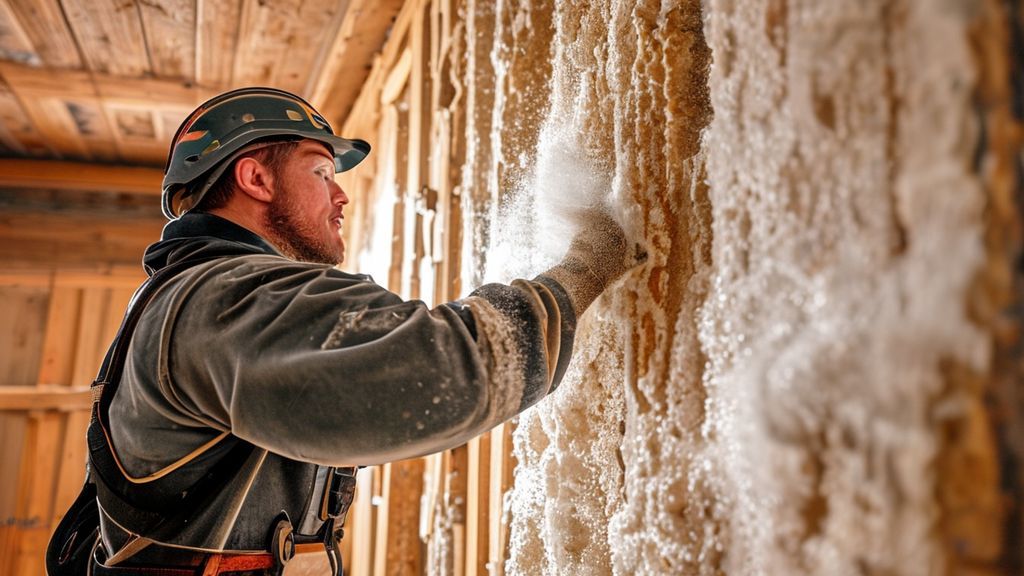
Estimating your home insulation expenses just got easier with our Foam Spray Insulation Cost Calculator. This essential tool helps homeowners and contractors quickly calculate spray foam insulation prices based on project size, material type, and regional pricing factors – all without needing complex manual calculations.
- Introduction to the Foam Spray Insulation Cost Calculator
- What is the Foam Spray Insulation Cost Calculator?
- How to Use the Foam Spray Insulation Cost Calculator
- Understanding Foam Spray Insulation Costs
- Open Cell vs Closed Cell Foam Pricing Differences
- How Square Footage Impacts Total Insulation Costs
- Regional Price Variations for Spray Foam Installation
- Material Thickness and R-Value Cost Factors
- Labor Costs in Spray Foam Insulation Projects
- Installation Cost Breakdown Per Square Foot
- Equipment and Preparation Fees
- Hidden Costs in Spray Foam Projects
- Long-Term Savings vs Upfront Insulation Costs
- Comparing DIY vs Professional Installation Pricing
- Rebates and Tax Credits That Reduce Net Costs
- Frequently Asked Questions
- How much does spray foam insulation cost per square foot?
- What's the price difference between open and closed cell foam?
- How accurate are online spray foam cost calculators?
- Does attic insulation cost more than wall insulation?
- Can I install spray foam insulation myself to save money?
- What seasonal factors affect spray foam insulation pricing?
- How long does spray foam insulation last compared to fiberglass?
- Are there financing options for spray foam insulation projects?
What is the Foam Spray Insulation Cost Calculator?
The Foam Spray Insulation Cost Calculator is a specialized digital tool that provides instant price estimates for your insulation project. It factors in:
- Total square footage of your space
- Desired insulation thickness
- Open-cell vs. closed-cell foam selection
- Regional material cost variations
This calculator eliminates guesswork when budgeting for home insulation projects, providing accurate cost per sq ft estimates in seconds.
How to Use the Foam Spray Insulation Cost Calculator
Follow these simple steps to get your customized spray foam insulation price estimate:
- Enter Project Dimensions: Input your total square footage and ceiling height
- Select Insulation Type: Choose between open-cell (lower cost) or closed-cell (higher R-value) foam
- Adjust Thickness: Specify your desired insulation depth (typically 3-5 inches)
- Get Instant Estimate: The calculator displays total cost with material and labor breakdown
Most users obtain accurate spray foam insulation price quotes in under 30 seconds, making it ideal for comparing different project scenarios.
Understanding Foam Spray Insulation Costs
Getting a clear picture of spray foam insulation expenses starts with knowing what drives the price. The foam spray insulation cost calculator helps homeowners estimate project budgets based on specific variables. These include your home’s size, insulation type, and regional labor rates.
Spray foam costs more upfront than fiberglass or cellulose. But its energy savings and long lifespan often justify the investment. Prices typically range from $1.50 to $3.50 per square foot for basic applications.
Key factors influencing your final quote:
- Total square footage needing insulation
- Choice between open-cell and closed-cell foam
- Required R-value for your climate zone
- Wall and attic accessibility challenges
- Local contractor pricing differences
Open Cell vs Closed Cell Foam Pricing Differences
Open-cell foam costs less upfront, usually $1.30 to $2.50 per square foot. It’s lighter and expands more during application. This makes it ideal for filling wall cavities without adding structural weight.
Closed-cell foam runs $2.00 to $3.50 per square foot. Its dense structure provides higher R-value per inch. You get better moisture resistance and structural reinforcement. The price difference comes from material density and installation precision.
Material cost breakdown:
- Open-cell materials: $0.35 to $0.55 per board foot
- Closed-cell materials: $1.25 to $1.75 per board foot
- Specialty formulations for extreme climates add 15-20%
Closed-cell requires more chemical components per cubic foot. Installation takes longer due to precise thickness requirements. Open-cell applications can cover larger areas faster with standard equipment.
How Square Footage Impacts Total Insulation Costs
Your home’s size directly determines material quantities needed. Most contractors charge per square foot of insulated space. A 1,500 sq ft attic averages $2,250-$5,250 for full spray foam coverage.
Pricing tiers based on project scale:
- Small areas (under 500 sq ft): $2.75-$4.00 per sq ft
- Medium projects (500-1,500 sq ft): $2.25-$3.50 per sq ft
- Whole-house installations: $1.75-$2.90 per sq ft
Complex spaces cost more per square foot. Angled ceilings, tight crawlspaces, or finished walls require specialized equipment. Contractors may add 10-25% for difficult access areas.
Regional Price Variations for Spray Foam Installation
Labor costs and material availability change significantly by location. Northeast states average 12% higher than national rates. Southern regions often have lower pricing due to milder climate requirements.
Sample regional pricing per square foot:
- Pacific Northwest: $2.10 – $3.80
- Midwest: $1.90 – $3.30
- Southeast: $1.70 – $3.10
- Southwest: $1.80 – $3.40
Urban areas typically charge 18-22% more than rural locations. High-demand regions like California have strict VOC regulations. These environmental rules increase material costs by 8-15% compared to other states.
Material Thickness and R-Value Cost Factors
Required insulation thickness depends on your climate zone’s R-value recommendations. Warmer areas need R-30 to R-49 for attics. Cold climates require R-49 to R-60. Each inch of closed-cell foam provides R-6.0 to R-7.0 per inch.
Thickness cost impacts:
- 3-inch open-cell application: R-12 ($1.50-$2.10/sq ft)
- 5-inch closed-cell application: R-35 ($2.60-$3.80/sq ft)
- Hybrid systems combining foam with traditional insulation
Building codes now mandate higher R-values in most states. Upgrading from minimum to optimal thickness adds 20-35% to material costs. But it cuts heating/cooling bills by 12-18% annually.
Labor Costs in Spray Foam Insulation Projects
Professional installation accounts for 40-60% of total project costs. Experienced crews charge $45-$85 per hour. Typical attic jobs take 6-12 hours depending on complexity.
Labor variables affecting price:
- Prep work (moving stored items, cleaning surfaces)
- Safety equipment setup for confined spaces
- Post-installation trimming and curing checks
- Warranty coverage length (5-year vs lifetime)
Get itemized quotes showing labor/material breakdown. Avoid contractors charging below market rates – improper mixing creates ineffective insulation. Always verify licensing and insurance before hiring.
Installation Cost Breakdown Per Square Foot
Spray foam insulation costs range from $1.50 to $7.50 per square foot installed. But this range changes drastically based on your choices. Closed-cell foam costs 30-40% more than open-cell due to higher material density and R-value.
| Foam Type | Cost per Sq Ft | R-Value per Inch |
|---|---|---|
| Open-cell | $1.50 – $3.50 | 3.5-3.8 |
| Closed-cell | $3.00 – $7.50 | 6.0-7.0 |
Labor accounts for 60-70% of total costs for professional installations. Crews charge $45-$85 per hour depending on regional wages and job complexity. Multi-story homes or difficult roof angles increase labor time.
Material costs fluctuate with petroleum prices since foam relies on polyurethane. When oil prices rise 10%, spray foam materials typically increase 4-6%. Seasonal demand also impacts pricing (15-20% higher in fall).
Equipment and Preparation Fees
Many homeowners forget these upfront costs when budgeting. Professional crews include these in quotes but DIYers face separate expenses.
- Surface prep: $0.25-$0.50/sq ft for cleaning and moisture barriers
- Spray rig rental: $650-$1,200/week for professional-grade equipment
- Protective gear: $150-$300 for respirators, suits, and gloves
Waste factors add 7-10% to material estimates. Overspray and application inconsistencies mean buying more foam than your square footage suggests. Complex framing with numerous studs/joists increases waste.
Disposal fees apply if removing old insulation. Fiberglass batts cost $1.50-$2.00/sq ft to remove and landfill. Asbestos testing (required in pre-1980 homes) adds $350-$800.
Hidden Costs in Spray Foam Projects
These unexpected expenses derail budgets if unaccounted for:
- Mold remediation when sealing moisture-damaged cavities ($1,500-$5,000)
- Structural upgrades for sagging roofs before encapsulation ($75-$150/hr engineering fees)
- Ventilation systems to meet fresh air requirements post-sealing ($1,800-$4,200)
Building permits cost $250-$1,200 depending on municipality. Inspections may require thermal imaging scans ($300-$500) to verify complete coverage. Some locales mandate fire-retardant coatings ($0.30-$0.70/sq ft extra).
Warranty voids create long-term risks. DIY applications often invalidate manufacturer warranties (typically 10-25 years for pro installations). Errors in mixing ratios reduce foam lifespan by 40-60%.
Long-Term Savings vs Upfront Insulation Costs
Spray foam’s higher initial cost offsets through energy savings over 5-15 years. Open-cell foam typically pays back in 7-12 years versus closed-cell’s 10-15 year ROI in heating-dominated climates.
| Insulation Type | Annual Energy Savings | 20-Year Savings |
|---|---|---|
| Fiberglass | $200-$300 | $4,000-$6,000 |
| Spray Foam | $450-$800 | $9,000-$16,000 |
Air sealing benefits account for 30-40% of savings. Spray foam reduces air leakage by 75-90% compared to 25-40% with batt insulation. This significantly lowers HVAC runtime.
Durability matters in long-term math. Fiberglass loses 15-25% R-value from settling over 10 years while spray foam maintains 95%+. No replacement costs add to savings (fiberglass typically replaced every 15 years).
Comparing DIY vs Professional Installation Pricing
DIY spray foam kits cost $1.00-$2.50 per board foot versus $3-$8 professionally installed. But limited kit sizes create inefficiencies for whole-house projects.
- 600-board foot kit: $500-$700 (covers ~200 sq ft at 3″ depth)
- Professional same coverage: $900-$1,500
Skill gaps cause material waste. Novices achieve 60-70% effective coverage versus 90-95% from pros. This erodes apparent savings. Equipment limitations matter too. DIY cans spray at 50-60 PSI versus pro rigs at 900-1,500 PSI.
Safety costs offset DIY savings. Proper ventilation requires $400-$800 in fans/ducting. Respiratory protection needs $200+ for OSHA-compliant masks. Errors in application require $3-$5/sq ft removal costs.
| Cost Factor | DIY | Professional |
|---|---|---|
| Materials | $1,200 | $2,800 |
| Equipment | $900 | $0 (included) |
| Labor | 40 hours | 8 hours |
Rebates and Tax Credits That Reduce Net Costs
Federal incentives cover 30% of project costs up to $1,200 annually through 2032. This applies only to air sealing and insulation meeting IECC standards. Closed-cell foam often qualifies due to higher R-values.
- ENERGY STAR rebates: $150-$500 via local utilities
- State programs: Massachusetts offers $2,500, California up to $3,000
- Power company discounts: 10-15% rebates for approved contractors
Low-income assistance programs provide greater savings. The Weatherization Assistance Program (WAP) covers 100% of insulation costs for qualifying households. Income limits vary by state but typically 200% below poverty level.
Documentation requirements are strict. You need manufacturer certification sheets proving R-values. Installation by certified professionals is mandatory for most rebates. Save all receipts and product stickers from installed foam.
Frequently Asked Questions
How much does spray foam insulation cost per square foot?
Spray foam insulation typically costs between $1.50 to $3.50 per square foot for professional installation, depending on thickness and project complexity. Geographic location, accessibility of the work area, and local labor rates can also significantly influence the final price per square foot.
What’s the price difference between open and closed cell foam?
Open-cell spray foam generally costs $0.44 to $0.65 per board foot, while closed-cell foam ranges from $1.00 to $1.50 per board foot due to its higher density and superior insulation properties. Closed-cell foam provides nearly double the R-value per inch but requires more material, resulting in higher overall project costs compared to open-cell alternatives.
How accurate are online spray foam cost calculators?
Online spray foam cost calculators provide rough estimates but may not account for critical variables like irregular surfaces, existing insulation removal, or regional price variations. For precise quotes, most professionals recommend getting assessments from at least three local contractors who can evaluate your specific project requirements.
Does attic insulation cost more than wall insulation?
Attic insulation projects typically cost 15-30% more than wall installations due to greater square footage coverage and increased complexity accessing tight spaces. Wall insulation costs may be lower for new construction but can increase significantly when retrofitting existing walls due to necessary demolition and repair work.
Can I install spray foam insulation myself to save money?
DIY spray foam installation is not recommended for most homeowners due to the specialized equipment required and precise application techniques needed for proper curing. Improper installation can lead to inadequate coverage, off-gassing issues, and potentially costly structural damage, negating any initial savings from self-installation.
What seasonal factors affect spray foam insulation pricing?
Spray foam costs often increase during extreme temperatures (summer and winter) when demand peaks for climate control solutions. Cooler months may offer slight discounts as contractors seek projects, but very cold conditions can increase costs due to the need for temperature-controlled application environments.
How long does spray foam insulation last compared to fiberglass?
Properly installed spray foam insulation can last 80+ years without significant degradation, while fiberglass typically requires replacement every 15-25 years. Unlike fiberglass that sags and compresses over time, spray foam maintains its R-value and air-sealing properties throughout its lifespan.
Are there financing options for spray foam insulation projects?
Many insulation contractors offer financing plans through third-party lenders or in-house payment options, particularly for whole-home projects. Some energy providers and government programs also offer rebates or low-interest loans for insulation upgrades that meet specific energy efficiency standards.