

Mulch Installation Cost Calculator
The Mulch Installation Cost Calculator is an essential tool for accurately estimating the expenses associated with your landscaping project. This guide will walk you through its features and usage.
- Mulch Installation Cost Calculator
- What is the Mulch Installation Cost Calculator?
- How to Use the Mulch Installation Cost Calculator?
- What is a Mulch Installation Cost Calculator?
- Key Components of a Mulch Cost Estimate
- How to Use a Mulch Installation Calculator
- Factors That Influence Mulch Installation Prices
- Comparing DIY vs. Professional Mulch Installation Costs
- Material Costs: Mulch Types and Their Price Points
- Labor and Equipment Expenses
- Using Calculators for Commercial and Large-Scale Projects
- Tips for Reducing Your Mulch Installation Budget
- Frequently Asked Questions
- How accurate are online mulch installation cost calculators?
- What is the average cost per square foot for mulch installation?
- Does the type of mulch significantly affect the total installation cost?
- How do delivery fees impact the overall price of a mulch project?
- Can I use a mulch cost calculator for both residential and commercial projects?
- What hidden costs should I look out for when budgeting for mulch installation?
- How does the thickness of the mulch layer affect the total cost?
- Are there any free tools or templates available for calculating mulch installation costs?
What is the Mulch Installation Cost Calculator?
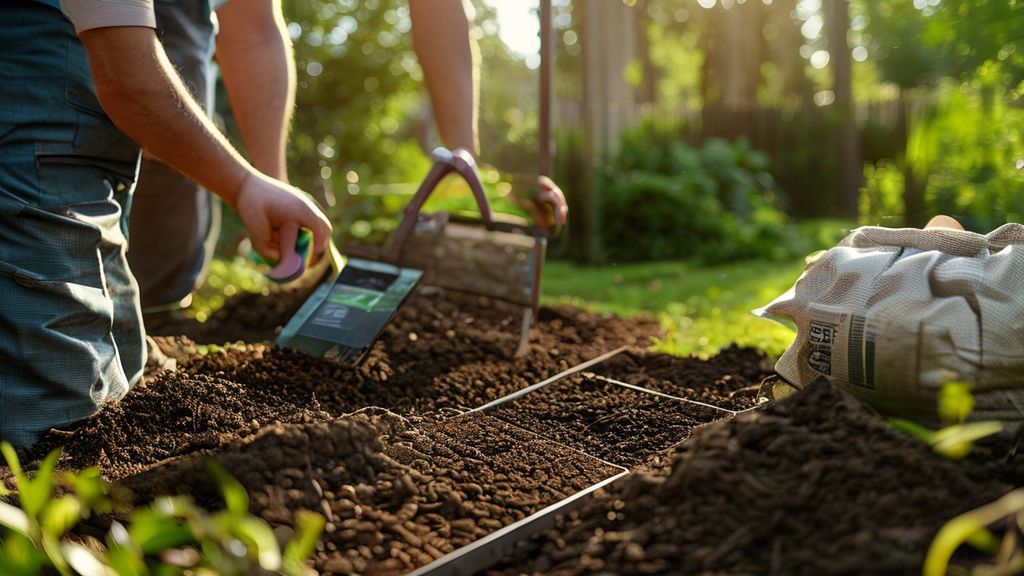
The Mulch Installation Cost Calculator is a user-friendly digital tool designed to help homeowners, gardeners, and contractors estimate the total cost of a mulch installation project. By inputting key details about your garden beds, this calculator provides a detailed breakdown of material costs, labor expenses, and total project fees. It simplifies budgeting by accounting for variables like area size, mulch depth, and local material prices, ensuring you get a realistic financial estimate before starting any work.
How to Use the Mulch Installation Cost Calculator?
Using the Mulch Installation Cost Calculator is straightforward. Follow these steps to get an accurate estimate:
- Measure Your Area: First, measure the total square footage of the garden beds where you plan to install mulch. For irregular shapes, break them down into smaller rectangles or circles and calculate each area separately.
- Input Dimensions: Enter the total area (in square feet) into the calculator. If you have separate sections with different dimensions, you can calculate each section’s cost individually and sum them up.
- Select Mulch Depth: Choose your desired mulch depth. Standard recommendations are 2-3 inches for flower beds and 3-4 inches for vegetable gardens. The calculator will adjust the volume of mulch needed accordingly.
- Enter Material Costs: Input the current price per cubic yard or bag of your chosen mulch type (e.g., hardwood, cedar, rubber). You can find this information at local garden centers or home improvement stores.
- Specify Labor Costs (Optional): If you’re hiring a professional, enter the estimated labor rate per hour or a flat project fee. For DIY projects, you can leave this field at zero to calculate only material costs.
- Review the Estimate: Once all fields are populated, the calculator will generate a detailed summary. This typically includes the total volume of mulch required, the cost of materials, labor fees (if applicable), and the final project total.
- Adjust and Recalculate: Feel free to adjust any input values—like trying a different mulch type or depth—to see how they impact the overall cost. This helps in making cost-effective decisions.
By following these steps, the Mulch Installation Cost Calculator empowers you to plan your landscaping budget with confidence and avoid unexpected expenses.
Planning a landscaping project and need to budget for mulch installation? Our comprehensive guide breaks down the Mulch Installation Cost Calculator, explaining how to accurately estimate expenses for materials, labor, and delivery. Whether you’re a homeowner or a professional landscaper, understanding these costs is essential for a successful and cost-effective project. This tool simplifies the complex variables involved, transforming a daunting task into a manageable financial plan. By inputting specific data, you can avoid unexpected expenses and ensure your garden or commercial property receives the best value.
What is a Mulch Installation Cost Calculator?
A Mulch Installation Cost Calculator is a digital or manual tool designed to provide a detailed financial projection for a mulching project. It functions by taking key inputs such as the total area to be covered, the desired depth of the mulch layer, and the type of mulch material selected. The calculator then processes this information to output an estimated total cost, which typically includes the price of the mulch itself, delivery fees, and labor charges if applicable. This tool is invaluable for both DIY homeowners and professional landscapers, as it eliminates guesswork and helps in creating a precise budget before any materials are purchased. By using such a calculator, you can compare different scenarios, such as varying mulch types or depths, to find the most cost-effective solution for your specific needs. Ultimately, it serves as a foundational step in the planning phase, ensuring that the project remains financially viable from start to finish.
Key Components of a Mulch Cost Estimate
A comprehensive mulch cost estimate is built upon several critical components that together determine the final price. The primary element is the material cost, which varies significantly based on the type of mulch—organic options like shredded bark or hardwood chips are common, but inorganic choices like rubber mulch or stone have different price points. Next, the volume of mulch required is calculated by multiplying the square footage of the area by the desired depth, typically measured in cubic yards or bags, which directly influences the material expense. Labor costs are another major factor, especially if you hire a professional; this includes the time for spreading the mulch evenly and preparing the area by removing weeds or old mulch. Delivery fees must also be considered, as mulch is heavy and often sourced from local suppliers, with costs depending on distance and quantity. Finally, additional expenses such as weed barrier fabric, edging materials, or equipment rental for large projects can add to the overall estimate. Understanding each of these components allows for a transparent and accurate budget, preventing unforeseen financial surprises during the project execution.
How to Use a Mulch Installation Calculator
Using a mulch installation calculator effectively requires gathering precise measurements and understanding the parameters involved. First, accurately measure the length and width of the area to be mulched in feet, then multiply these figures to get the total square footage. Next, determine the desired depth of the mulch layer in inches; a standard depth is 2-3 inches for most applications, as this provides adequate weed suppression and moisture retention without suffocating plants. Input these values into the calculator, which will typically convert the area and depth into cubic yards or bags needed. Then, select the type of mulch from the available options, as this will affect the price per unit. The calculator will then factor in additional costs such as delivery, which may be a flat rate or based on distance, and labor, if you input an hourly rate or choose a professional service. Review the final estimate and consider adjusting variables like depth or mulch type to see how they impact the total cost. This iterative process helps in making informed decisions and ensures the estimate aligns with your budget constraints.
Factors That Influence Mulch Installation Prices
Several dynamic factors can cause mulch installation prices to fluctuate, making it essential to account for them in any cost calculation. The geographic location plays a significant role, as regional availability of mulch materials and local labor rates can vary widely; urban areas often have higher delivery and labor costs compared to rural regions. Seasonality is another key influencer, with demand peaking in spring and early summer, which can drive up prices due to increased competition for materials and services. The complexity of the project site also affects costs; areas with steep slopes, dense vegetation, or obstacles like tree roots may require more labor and preparation time, increasing the overall expense. Furthermore, the scale of the project matters—larger areas might benefit from bulk pricing on mulch, but delivery fees could be higher for significant quantities. Market conditions, such as shortages of raw materials or fuel price changes, can also impact both material and transportation costs. By considering these factors, you can adjust your budget expectations and plan for a more realistic financial outcome, ensuring that your mulch installation project stays on track without compromising on quality.
Comparing DIY vs. Professional Mulch Installation Costs
The decision between a DIY approach and hiring a professional significantly impacts the overall budget for a mulch installation project. Understanding the cost breakdown for each option is crucial for making an informed financial choice. DIY mulch installation primarily involves material costs, while professional services bundle materials, labor, and expertise into a single price. The DIY route can be more cost-effective for those with the time, physical ability, and access to a vehicle for transporting bulk materials. However, it requires an upfront investment in tools like wheelbarrows, shovels, and rakes if not already owned. The physical labor of spreading mulch, especially over large areas, can be strenuous and time-consuming. Conversely, hiring a professional ensures a uniform application, proper depth, and efficient completion, saving you time and physical effort. Professionals also have access to bulk mulch at wholesale prices, which can sometimes offset their labor costs, though the final price includes their profit margin. The cost difference is most pronounced in larger projects where the sheer volume of mulch and the labor hours required make the DIY time investment substantial.
To visualize the cost components, consider the following comparison table for a standard 500 square foot garden bed:
| Cost Component | DIY Approach (Estimate) | Professional Service (Estimate) |
|---|---|---|
| Material Cost (Mulch) | $150 – $300 (Bulk delivery) | $100 – $200 (Wholesale bulk rate) |
| Labor Cost | $0 (Your time) | $200 – $400 (2-4 hours at $50-$100/hr) |
| Equipment/Tool Cost | $0 – $100 (Rental or purchase) | $0 (Included in service) |
| Delivery Fees | $50 – $100 | $0 – $50 (Often included) |
| Total Estimated Cost | $200 – $500 | $300 – $650 |
As the table indicates, the professional service carries a premium for labor and convenience, but the material costs may be lower due to wholesale pricing. For a small project, the DIY savings might be minimal, but for extensive landscaping, the professional cost can be more predictable and efficient. A mulch installation cost calculator should allow you to input both scenarios to see the direct financial impact.
Material Costs: Mulch Types and Their Price Points
Material costs constitute the largest variable in any mulch installation project, and the type of mulch chosen has a direct and significant impact on the total price. There are two primary categories: organic and inorganic mulch, each with distinct price ranges and long-term value propositions. Organic mulches, such as shredded hardwood, pine bark, cedar, and compost, decompose over time, enriching the soil. Their prices vary based on processing, availability, and aesthetic qualities. For instance, bulk hardwood mulch is often the most economical option, typically ranging from $20 to $50 per cubic yard. In contrast, specialty mulches like cedar or cypress chips, which offer natural insect-repellent properties and a longer lifespan, can cost between $40 and $80 per cubic yard. Compost and manure-based mulches, prized for their soil-building benefits, fall in a similar price range but may require more frequent replenishment.
Inorganic mulches, including rubber, stone, and landscape fabric, are more durable but have a higher upfront cost and do not contribute to soil health. Rubber mulch, made from recycled tires, is priced between $80 and $150 per cubic yard and is a long-lasting, low-maintenance option. Stone or gravel mulch is the most expensive, often exceeding $100 per cubic yard, but it is permanent and ideal for xeriscaping. When using a mulch installation cost calculator, it is essential to input the specific type of mulch and its price per unit (cubic yard or cubic foot) to get an accurate material cost projection. The calculator should also account for the recommended depth (usually 2-4 inches), which directly affects the volume needed and, therefore, the total cost.
| Mulch Type | Price Range (Per Cubic Yard) | Key Characteristics | Best For |
|---|---|---|---|
| Hardwood Shredded | $20 – $50 | Economical, decomposes, enriches soil | General landscaping, flower beds |
| Pine Bark | $30 – $60 | Attractive, good moisture retention | Acid-loving plants, decorative beds |
| Cedar Chips | $50 – $80 | Natural insect repellent, slow decay | Perimeter beds, play areas |
| Rubber Mulch | $80 – $150 | Extremely durable, non-biodegradable | Playgrounds, high-traffic areas |
| Stone/Gravel | $100 – $200+ | Permanent, excellent drainage | Driveways, xeriscaping, paths |
Understanding these price points allows for strategic budgeting. A calculator that factors in mulch type can help you compare the long-term cost of a cheaper, faster-decomposing mulch versus a more expensive, longer-lasting one, providing a clearer picture of total ownership cost over several years.
Labor and Equipment Expenses
Labor and equipment are the secondary, yet substantial, cost drivers in a mulch installation project, particularly when not handling the work yourself. Professional landscapers typically charge by the hour or by the project, with rates varying by region, company reputation, and project complexity. Hourly rates for general labor can range from $25 to $75 per hour per worker. A standard residential mulch installation might take 2 to 4 hours for a small team, translating to a labor cost of $100 to $600. For larger commercial projects, labor is often quoted as a flat fee based on the total square footage or cubic yards of material. This fee covers not just the spreading of mulch but also site preparation, such as weed removal, bed edging, and the careful application of mulch around plants and structures to avoid smothering root systems.
Equipment costs are embedded in the professional quote but are a direct out-of-pocket expense for DIYers. Essential tools include a sturdy wheelbarrow ($50-$150 to buy), a flat-head shovel ($20-$40), a hard rake ($20-$40), and possibly a landscape rake for larger areas ($50-$100). For extensive projects, renting a skid-steer with a mulch-spreading attachment can save immense time and labor but adds a significant rental fee of $200-$400 per day. Safety gear like gloves, dust masks, and safety glasses is also a necessary investment. A comprehensive mulch installation cost calculator should include a section for labor (either as an hourly rate or a project fee) and equipment (purchase or rental costs) to provide a holistic view. For DIY projects, it’s crucial to accurately estimate your own time value; if your hourly rate (in a professional context) is high, the “savings” from DIY labor may be illusory when considering the time invested.
Using Calculators for Commercial and Large-Scale Projects
Applying a mulch installation cost calculator to commercial or large-scale projects requires a more sophisticated approach than for a residential garden bed. These projects, such as mulching around office parks, school campuses, municipal parks, or large housing developments, involve exponentially greater volumes of material and more complex logistical challenges. A standard residential calculator might only account for square footage and depth, but a robust calculator for large-scale applications must incorporate additional variables. These include bulk material pricing tiers (which often decrease per unit as volume increases), delivery logistics for multiple loads or sites, site accessibility challenges that may require specialized equipment, and the need for a professional crew with insurance and proper licensing.
For commercial bids, the calculator becomes an essential tool for generating accurate, competitive estimates. It must allow for the input of multiple distinct areas (e.g., front entrance, perimeter landscaping, central courtyard) each with potentially different mulch types and depths. The calculator should also factor in the cost of site preparation, which may involve more extensive weed control, old mulch removal, and soil amendment on a large scale. Furthermore, labor costs are more complex, often involving a team of workers over several days, with potential overtime rates. A professional-grade calculator will output a detailed line-item quote that includes material costs, labor hours and rates, equipment rental (e.g., large trucks, tractors, loaders), disposal fees for old mulch, and a contingency percentage for unforeseen issues. This level of detail is critical for securing contracts and ensuring profitability for landscaping businesses, as it demonstrates thorough planning and cost control. Using a calculator tailored for scale ensures that no cost component is overlooked, which is vital for maintaining margins on projects where small percentage errors can translate to thousands of dollars.
Tips for Reducing Your Mulch Installation Budget
Reducing your mulch installation budget without compromising quality requires strategic planning and smart sourcing. One of the most effective methods is to time your purchase for the off-season. Mulch prices often drop in late fall and winter when demand is low, and suppliers are clearing inventory. Purchasing and storing mulch during these months for use in the spring can lead to significant savings, sometimes 10-20% off peak season prices. Another key strategy is to source materials locally. Buying mulch from a local landscape supply yard or even a municipal composting facility (for free or low-cost compost) eliminates long-distance transportation costs and supports the local economy. For large projects, consider buying in the largest possible bulk quantities (by the cubic yard) rather than by the bag. While bagged mulch is convenient, it is vastly more expensive per unit volume, often costing two to three times more than bulk mulch.
For DIY enthusiasts, minimizing labor costs is inherent, but efficiency can further reduce the “cost” of your time. Proper preparation, such as defining bed edges with a spade or edging tool beforehand, makes the spreading process faster and results in a cleaner, more professional look. Using a tarp to mix and stage mulch near the work area reduces trips back and forth. When hiring professionals, obtain at least three detailed quotes to ensure competitive pricing. Be clear about the scope of work to avoid change orders. Consider a phased installation if the project is very large, spreading the cost over multiple seasons. Finally, always calculate the cost of mulch *delivered* and *installed*, as these are the true final costs. A good calculator will help you see the impact of each saving tip, allowing you to compare scenarios and choose the most cost-effective path for your specific project parameters. By combining material savings, strategic timing, and careful planning, you can achieve a beautiful, mulched landscape while staying firmly within your budget.
Frequently Asked Questions
How accurate are online mulch installation cost calculators?
Online calculators provide a reliable estimate but are not guaranteed to be 100% accurate. They rely on average national or regional data for material and labor costs. Actual prices can vary based on local market conditions, site accessibility, and specific contractor rates. Always use these tools as a starting point and obtain a formal quote for a precise budget.
What is the average cost per square foot for mulch installation?
The average cost typically ranges from $2 to $5 per square foot. This price generally includes the cost of the mulch material and basic labor for installation. However, costs can be lower if you supply the mulch yourself or higher for premium mulch types or complex landscaping layouts.
Does the type of mulch significantly affect the total installation cost?
Yes, the type of mulch is a major cost factor. Basic hardwood or pine bark mulch is the most affordable, while dyed, cedar, or cypress mulches are more expensive. Premium options like rubber or stone mulch have a significantly higher material cost, which will directly increase your total project price.
How do delivery fees impact the overall price of a mulch project?
Delivery fees can add a substantial amount to the total cost, especially for large projects. Some suppliers offer free delivery for orders over a certain quantity (e.g., 10+ cubic yards), while smaller orders may incur a flat fee or a per-mile charge. Always factor this into your calculator or budget.
Can I use a mulch cost calculator for both residential and commercial projects?
Yes, the basic calculation method (area x depth x price) applies to both. However, commercial projects often involve larger quantities, which may qualify for bulk pricing discounts. They might also have different labor rates and site preparation requirements, so commercial calculators should account for these scale-related variables.
What hidden costs should I look out for when budgeting for mulch installation?
Hidden costs can include site preparation (weed removal, old mulch disposal), delivery fees, labor for spreading on steep slopes, and edging installation. If you need a landscaper to measure your area, there may be a consultation fee. Always ask for a detailed quote that breaks down all potential charges.
How does the thickness of the mulch layer affect the total cost?
Thickness directly impacts material volume and cost. A standard layer is 2-3 inches. Increasing the depth to 4 inches doubles the amount of mulch needed, significantly raising material costs. However, a thicker layer may provide better weed suppression and moisture retention, offering long-term value.
Are there any free tools or templates available for calculating mulch installation costs?
Yes, many landscaping supply companies and home improvement websites offer free online mulch calculators. You can also find free spreadsheet templates (like Excel or Google Sheets) that allow you to input your own local prices for a customized estimate. These tools are excellent for initial budgeting.