
Laser Hair Removal Cost Calculator
- Laser Hair Removal Cost Calculator
- Estimated Cost
- Introduction
- What is the Laser Hair Removal Cost Calculator?
- How to Use the Laser Hair Removal Cost Calculator?
- What is a Laser Hair Removal Cost Calculator?
- How Does a Cost Calculator Work?
- Key Factors That Influence Your Final Price
- Average Cost Estimates by Body Area
- How to Use a Laser Hair Removal Calculator Effectively
- Inputting Accurate Treatment Area Details
- Understanding Package Deals vs. Single Sessions
- Comparing Costs: At-Home Devices vs. Professional Clinics
- Tips to Reduce Your Laser Hair Removal Expenses
- Timing Your Treatments for Maximum Savings
- Finding Reputable Clinics with Transparent Pricing
- Frequently Asked Questions
- What is the average cost of laser hair removal per session?
- How many sessions are typically needed for permanent hair reduction?
- Does laser hair removal cost vary by skin tone or hair color?
- Are there hidden fees I should watch out for?
- Can I finance my laser hair removal treatments?
- Is it cheaper to buy a package of sessions upfront?
- How do I know if a clinic's pricing is fair?
- Do at-home laser devices really save money in the long run?
Introduction
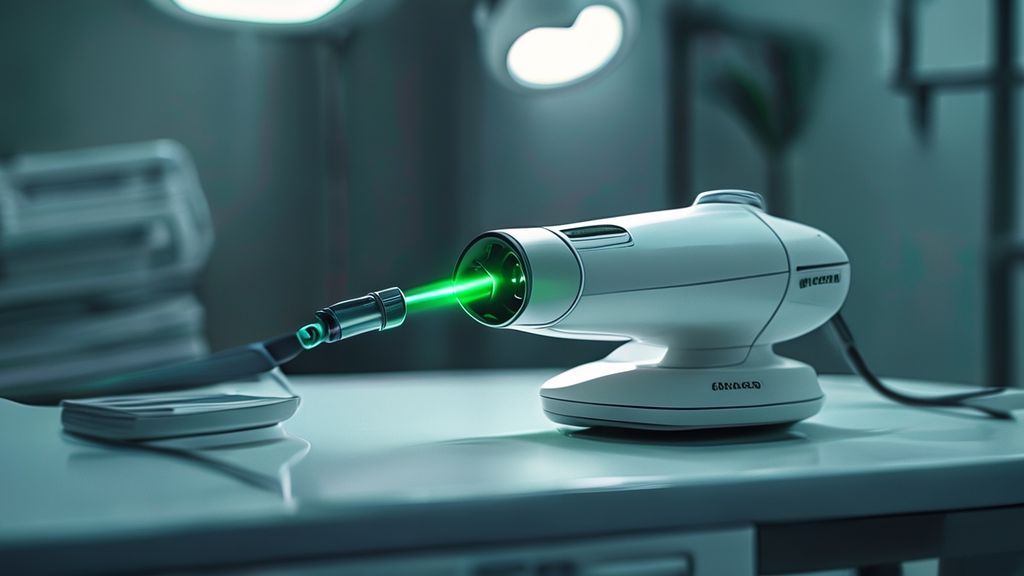
This guide provides a comprehensive overview of the Laser Hair Removal Cost Calculator. This tool is designed to help users estimate potential expenses for their hair removal treatments based on various personal factors.
What is the Laser Hair Removal Cost Calculator?
The Laser Hair Removal Cost Calculator is an interactive estimation tool. It functions by analyzing user-inputted data such as the body area for treatment, the number of sessions required, and the local market rates. The primary goal is to provide a transparent, preliminary cost projection to aid in budgeting and planning for laser hair removal procedures.
How to Use the Laser Hair Removal Cost Calculator?
Using the calculator is a straightforward process designed for ease of use. Follow these steps to generate an estimate:
- Step 1: Select the Body Area
Choose the specific area of the body you wish to treat from the provided options. Common areas include the face, legs, underarms, or bikini line. - Step 2: Enter the Number of Sessions
Input the estimated number of sessions you believe you will need. This is often determined during an initial consultation with a professional. - Step 3: Input the Average Cost per Session
Provide the average cost per session for your selected area. This information can be obtained from local clinics or by researching average market rates. - Step 4: Calculate
Click the “Calculate” button to process the information. The tool will instantly compute the total estimated cost based on your inputs. - Step 5: Review the Results
View the total projected cost displayed by the calculator. Use this figure as a guide for your financial planning.
Important Note: The results from this calculator are estimates only. Actual costs can vary significantly based on the clinic’s location, the technology used, the practitioner’s experience, and any ongoing promotions. Always consult with a licensed professional for an accurate quote and treatment plan.
What is a Laser Hair Removal Cost Calculator?
A Laser Hair Removal Cost Calculator is an essential digital tool designed to demystify the financial investment required for achieving long-term hair reduction. Unlike a simple price list, this calculator provides a personalized estimate by taking into account the unique variables that affect each individual’s treatment plan. It transforms a complex service with fluctuating prices into a more transparent and predictable expense, allowing potential clients to budget effectively from the outset. By using this tool, you move from vague ballpark figures to a tailored financial projection, empowering you to make an informed decision about your aesthetic goals. Ultimately, it serves as a crucial first step in the journey toward smooth skin, bridging the gap between curiosity and commitment.
How Does a Cost Calculator Work?
A cost calculator functions by processing a series of user-input data points through a predefined algorithm that mirrors the pricing structures of most reputable clinics. The primary inputs typically include the specific body area(s) you wish to treat, such as the face, underarms, legs, or back, as the size and density of hair vary dramatically between regions. You will also be asked to provide information about your skin type and hair color, as these factors directly influence the type of laser technology required and the number of sessions needed for optimal results. The calculator then cross-references this data with average session costs, typical package discounts, and the standard number of treatments recommended for permanent reduction. Finally, it generates a total estimated cost range, often breaking it down into per-session pricing and potential package savings, giving you a clear financial roadmap before you ever step into a clinic.
Key Factors That Influence Your Final Price
The final price of a laser hair removal package is not a fixed number but a dynamic figure shaped by several critical factors. The most significant variable is the treatment area’s size and complexity; large areas like the back or legs require more time and energy per session than small areas like the upper lip, leading to higher costs. The type of laser technology employed also plays a major role, as advanced systems like Alexandrite or Nd:YAG lasers, which are more effective for diverse skin tones, often command a premium over older or less versatile models. Furthermore, the geographic location of the clinic impacts pricing, with metropolitan areas and high-rent districts typically having higher operational costs that are reflected in their service fees. The expertise and certification of the technician performing the procedure are also crucial, as highly experienced practitioners may charge more for their proven skill and safety record. Finally, the number of sessions required varies per individual due to hair growth cycles, hormonal influences, and genetics, directly affecting the overall investment.
Average Cost Estimates by Body Area
Understanding average cost estimates by body area provides a practical baseline for budgeting, though it’s vital to remember these are national averages and can vary by region. Small treatment zones, such as the upper lip, chin, or underarms, are generally the most affordable, with single session costs often ranging from $50 to $150. Medium-sized areas, including the bikini line, arms, and shoulders, typically fall into a mid-range bracket, with prices per session commonly between $150 and $300. Large areas represent the highest investment category; treating the full legs, back, or chest can cost from $300 to $600 or more per session due to the extensive time and laser energy required. It is important to note that most clinics offer discounted packages for multiple sessions, which can significantly reduce the per-session cost. Always use these averages as a starting point and seek a personalized consultation for the most accurate quote, as individual factors like hair density and skin type can adjust these figures considerably.
How to Use a Laser Hair Removal Calculator Effectively
Using a laser hair removal calculator is a critical first step in budgeting for your treatment, but its accuracy depends entirely on the quality of the input data. These calculators are not magic; they are sophisticated algorithms that synthesize clinic pricing models, treatment area complexity, and your unique hair growth patterns to generate a reliable cost estimate. To use one effectively, you must approach it with the mindset of a researcher, gathering precise information before you begin. The goal is to move from a vague notion of “it might cost a few hundred dollars” to a concrete, actionable financial plan. This process involves understanding the variables that drive cost, which include the number of sessions required, the size and density of the treatment area, the technology used by the clinic (e.g., Alexandrite, Diode, or Nd:YAG lasers), and any promotional packages being offered. A high-quality calculator will ask for these details, and providing them accurately is the difference between a useful estimate and a misleading one. The most effective use of a calculator is not as a final price tag, but as a benchmark. Once you have the calculator’s output, you can use it to evaluate quotes from clinics, ensuring you are not being overcharged and identifying potential hidden costs. It empowers you to ask informed questions during consultations, such as “My calculator estimated X sessions for Y area at Z cost; how does your clinic’s approach differ?” This transforms you from a passive consumer into an engaged participant in your own aesthetic journey, ensuring financial transparency from the very start.
Inputting Accurate Treatment Area Details
The precision of your laser hair removal cost estimate hinges almost entirely on the specificity of the treatment area details you provide. Vague inputs like “face” or “legs” will yield a wide, often unhelpful, cost range. To achieve a meaningful calculation, you must break down the area into its precise anatomical components, as each has a different price point based on size, density, and sensitivity. For example, a full face treatment is not one single area; it typically comprises the upper lip, chin, cheeks, sideburns, and sometimes the jawline. Each of these sub-areas has a different size and hair density, which directly influences the time and energy required for a session. When using a calculator, you should input these as separate line items if the tool allows it, or select the most granular option available. For body areas, specificity is equally crucial. “Full legs” should be defined as “full legs” (from the bikini line to the ankles), but also consider if you are including the feet or toes. Similarly, “back” can range from a small patch between the shoulder blades to a full back including the shoulders. The density of the hair is another critical factor. A dense, coarse beard area will require more pulses and thus more time than a sparse, fine hair area on the back. Some advanced calculators may ask you to rate hair density on a scale. Providing this accurate, detailed information allows the algorithm to apply the correct per-session cost and the accurate number of sessions needed for permanent reduction, giving you a financial forecast that is both realistic and reliable.
Understanding Package Deals vs. Single Sessions
When evaluating laser hair removal costs, the structure of the pricing—whether you pay per session or purchase a package—is a fundamental financial consideration that significantly impacts the total outlay. A calculator must be able to account for this distinction to provide a true cost picture. Single-session pricing offers flexibility; you pay only for the treatment you receive at that moment, which can be beneficial if you are unsure about your commitment or if your financial situation is variable. However, this model is almost always more expensive in the long run. The per-session cost is typically at the clinic’s maximum rate, and there is no incentive for bulk commitment. Conversely, package deals are designed to lock in a client by offering a discounted rate for a pre-purchased block of sessions, typically ranging from 3 to 10 treatments. Clinics offer these packages because they secure revenue upfront and reduce administrative costs. For you, the savings can be substantial—often 15% to 30% off the total single-session price. A good cost calculator will have a toggle or input field to select between “single session” and “package” pricing. When you input a package, the calculator will apply the discounted rate to the estimated number of sessions required. It is crucial, however, to read the fine print. Packages often come with expiration dates, non-refundable clauses, and restrictions on transferability. The calculator provides the financial comparison, but you must weigh the significant upfront cost against the long-term savings and your personal financial liquidity. Understanding this trade-off is key to making a cost-effective decision that aligns with both your budget and your treatment goals.
Comparing Costs: At-Home Devices vs. Professional Clinics
The financial comparison between at-home laser (or IPL) devices and professional clinic treatments is a complex equation of upfront cost versus long-term value, safety, and efficacy. At first glance, the numbers seem to overwhelmingly favor at-home devices. A high-quality FDA-cleared at-home device typically costs between $200 and $600, a one-time investment that seems minuscule compared to a professional clinic package, which can range from $1,500 to $3,000+ for a full treatment series on a medium-sized area like the underarms or bikini line. This stark difference in initial outlay is the primary driver for many consumers. However, this is a classic case of “you get what you pay for.” Professional clinics use medical-grade lasers with significantly higher power and precision, operated by trained technicians who can adjust settings for your specific skin tone and hair color, ensuring both safety and optimal results. At-home devices use Intense Pulsed Light (IPL) or lower-energy diode lasers, which are less effective on fine or light hair and can be dangerous if used incorrectly on darker skin tones, leading to burns or hyperpigmentation. Furthermore, professional treatments often require fewer sessions (typically 6-8) for permanent reduction, while at-home devices may require indefinite, ongoing maintenance treatments to maintain results. When you factor in the potential cost of medical treatment for a burn or poor outcome from a device, and the ongoing cost of replacement cartridges or new devices, the long-term financial picture can shift. A clinic treatment is an investment in a guaranteed, supervised outcome, whereas an at-home device is a gamble on your own technical skill and the device’s efficacy for your unique biology.
| Feature | Professional Clinic | At-Home Device (IPL/Laser) |
|---|---|---|
| Upfront Cost | High ($1,500 – $3,000+ for full series) | Low ($200 – $600) |
| Per-Session Cost | High, but often discounted in packages | None (one-time device purchase) |
| Technology & Power | Medical-grade lasers (Alexandrite, Diode, Nd:YAG) with high power and precision. | Consumer-grade IPL or low-power diode. Less effective on fine/light hair. |
| Operator Expertise | Performed by a certified, trained technician who customizes settings. | Self-administered; risk of user error and incorrect settings. |
| Safety & Risk | Low risk in a professional setting with pre-treatment assessment. | Higher risk of burns, hyperpigmentation, especially on darker skin tones. |
| Number of Sessions | Typically 6-8 for permanent reduction. | Often requires more sessions (10-12) and ongoing maintenance. |
| Long-Term Value | High. A permanent solution after a finite series of treatments. | Variable. May require new device purchases or ongoing treatments for life. |
Tips to Reduce Your Laser Hair Removal Expenses
Reducing the cost of laser hair removal requires a strategic, multi-pronged approach that goes beyond simply hunting for the lowest price. The most effective savings come from a combination of timing, research, and smart financial planning. First and foremost, treat the process as you would any significant financial investment: conduct thorough due diligence. Do not be swayed by the first advertisement you see. Instead, gather multiple quotes from different clinics, ensuring you are comparing identical treatment areas and number of sessions. This competitive analysis is your most powerful tool. Second, leverage the power of timing. Clinics, like most seasonal businesses, have peak and off-peak periods. Booking during slower months can unlock significant promotions. Furthermore, many clinics run special promotions around holidays, the start of summer (when demand is high, but they want to book in advance), or during their anniversary. Signing up for clinic newsletters and following them on social media is a proactive way to be notified of these limited-time offers. Third, consider the clinic’s location and reputation. While a clinic in a high-rent downtown area may offer superior service, a reputable clinic in a suburban area or a newer establishment trying to build its client base might offer more competitive pricing. However, never sacrifice safety and certification for cost. Always verify that the clinic uses FDA-cleared lasers and that technicians are licensed. Another key strategy is to purchase a package, but do so intelligently. Ensure the package size aligns with the typical number of sessions you’ll need (usually 6-8), as buying a 10-session package when you only need 6 is a waste of money. Finally, maintain your skin and hair health. Avoid tanning before treatments, as it can increase the number of sessions needed and raise risks. Follow all pre- and post-care instructions to maximize each session’s efficacy, ensuring you get the full value from every treatment you pay for.
Timing Your Treatments for Maximum Savings
Strategic timing is one of the most underutilized yet effective methods for reducing the overall cost of laser hair removal. The industry, like retail, operates on cycles of demand and promotional calendars that savvy consumers can exploit. The most significant savings often come from booking during the clinic’s off-peak seasons. Demand for laser hair removal typically surges in the late spring and early summer, as clients prepare for beach season. Clinics are often fully booked during these months and have little incentive to offer discounts. Conversely, the fall and winter months (post-summer) are a prime time for promotions. Clinics are looking to fill their appointment books during a slower period and will often run “end-of-summer” or “holiday glow” specials. By scheduling your initial consultation and first treatment in October or November, you can often secure a 15-25% discount on package deals. Another critical timing consideration is the treatment cycle itself. Laser hair removal must be performed when hair is in the active growth phase (anagen), which varies by body area. For the face, this can be every 4-6 weeks, while for legs, it’s every 6-8 weeks. Missing appointments or delaying them can disrupt the cycle, potentially requiring more sessions and increasing total cost. Therefore, when you book a package, you should also pre-book your subsequent sessions to lock in the price and ensure you stay on schedule. Finally, watch for annual promotions. Many clinics run “birthday month” specials or anniversary sales. By planning your treatment start date to coincide with these events, you can combine the off-peak discount with a promotional offer, maximizing your savings. This level of planning requires foresight but can lead to substantial reductions in your final bill.
Finding Reputable Clinics with Transparent Pricing
Finding a clinic that offers both high-quality service and transparent pricing is the cornerstone of a cost-effective and safe laser hair removal experience. A clinic with opaque pricing is a major red flag, as it often hides additional fees or employs high-pressure sales tactics. The search for a reputable clinic should begin with verification of credentials. Look for clinics where treatments are performed by or under the direct supervision of a board-certified dermatologist or a licensed, certified laser technician. Check for certifications from recognized bodies and ensure the clinic uses FDA-cleared devices. A reputable clinic will be proud to display this information on their website and will be happy to discuss it during a consultation. The key to transparent pricing lies in the initial consultation. A trustworthy clinic will offer a free or low-cost consultation where they perform a thorough assessment of your skin type, hair color, and density. They should then provide you with a detailed, written quote that breaks down the cost per session, the total cost for a recommended package, and any potential additional fees (e.g., for numbing cream or post-treatment products). They should explain why they are recommending a certain number of sessions and what results you can realistically expect. Be wary of clinics that give a price over the phone without an assessment, as this is an estimate at best and misleading at worst. To find these clinics, read patient reviews on multiple platforms (Google, RealSelf, Yelp), paying close attention to comments about staff professionalism, cleanliness, and, crucially, whether the final bill matched the initial quote. A clinic that invests in patient education and provides clear, written financial agreements is one that prioritizes your trust and safety, which is ultimately the best foundation for a cost-effective treatment plan.
Frequently Asked Questions
What is the average cost of laser hair removal per session?
The average cost of a single laser hair removal session typically ranges from $200 to $500, depending on the size of the treatment area. Smaller areas like the upper lip may cost less, while larger areas like the back or legs will be on the higher end of the spectrum.
How many sessions are typically needed for permanent hair reduction?
Most people require between 6 to 8 sessions to achieve significant, long-term hair reduction. However, the exact number varies based on individual factors such as hair thickness, hair color, skin tone, and the specific body area being treated.
Does laser hair removal cost vary by skin tone or hair color?
Yes, cost can vary. Laser technology works best on dark hair and lighter skin tones. If you have darker skin or lighter hair (like blonde or gray), you may require a more specialized laser type (such as Nd:YAG), which might affect the price or require a consultation to determine the best approach.
Are there hidden fees I should watch out for?
While reputable clinics usually provide transparent pricing, it is important to ask about consultation fees, taxes, or post-treatment product costs. Always request a full breakdown of the total price per session or package before committing.
Can I finance my laser hair removal treatments?
Many clinics offer financing options or payment plans to spread the cost over several months. Third-party medical financing companies are also commonly accepted. Be sure to ask the clinic directly about available payment plans and interest rates.
Is it cheaper to buy a package of sessions upfront?
Yes, purchasing a package of sessions is almost always cheaper than paying for each session individually. Clinics often offer discounts of 10% to 25% when you buy a bundle upfront.
How do I know if a clinic’s pricing is fair?
To ensure fair pricing, get quotes from at least three different clinics in your area. Compare the cost based on the type of laser technology they use and the experience of the practitioners. Extremely low prices can sometimes indicate inexperienced staff or outdated equipment.
Do at-home laser devices really save money in the long run?
At-home devices are significantly cheaper upfront compared to professional treatments. However, they are generally less powerful, meaning results take longer and may not be as permanent. While they can save money initially, many users eventually switch to professional treatments for better efficiency, potentially increasing the overall cost.